
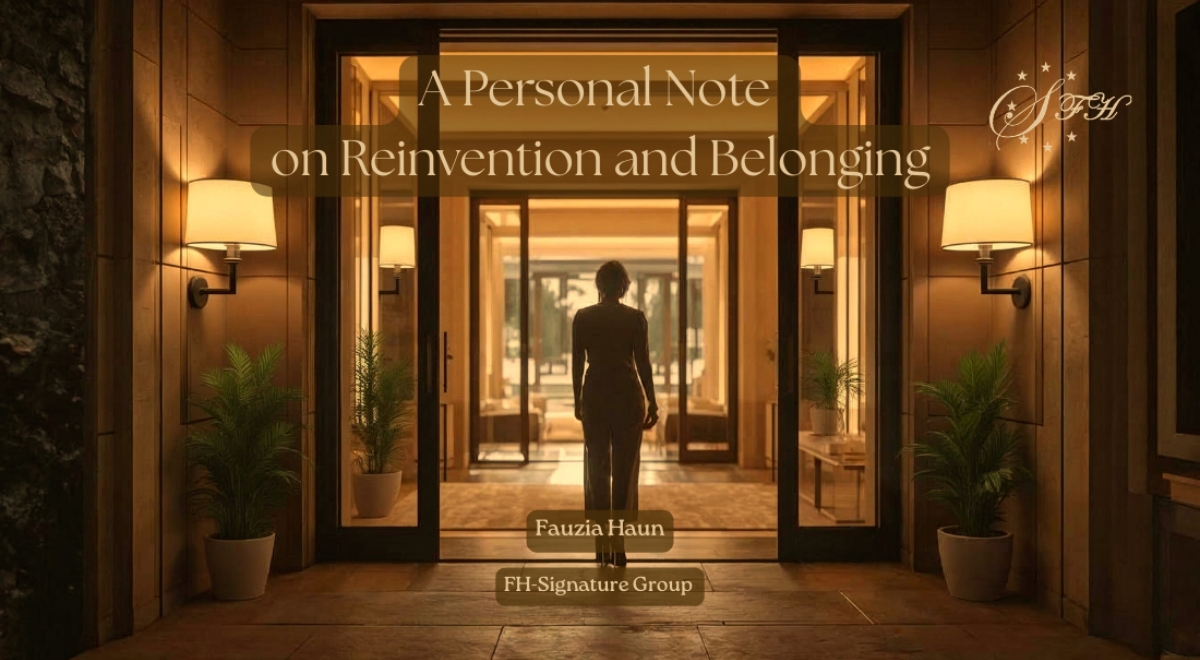
The human body knows the difference between a place that performs hospitality and a place that embodies it.
Within seconds of arrival, we register coherence, or its absence. Our attention either settles or remains vigilant. We either recognise ourselves in the space, or we begin the exhausting work of adaptation.
I founded FH-Signature Group after spending decades on both sides of this threshold – first as a guest seeking refuge in unfamiliar cities, then as a proprietor creating it through FH-Signature Serviced Apartments Munich, and now as a strategist helping properties worldwide discover what they genuinely are.
That progression taught me something the industry urgently needs to remember: innovation has never meant adding more layers of technology, standardised luxury, or borrowed aesthetics. It has meant returning to first principles and asking different questions – often the ones most easily overlooked.
In an era of AI-driven personalisation and relentless sameness, the true breakthrough in hospitality comes from creating coherence between who a property is and how a guest lives within it.
This is the foundation of what I call human-centred hospitality: understanding that guests respond to how a property behaves. To how it feels to be cared for within its world.
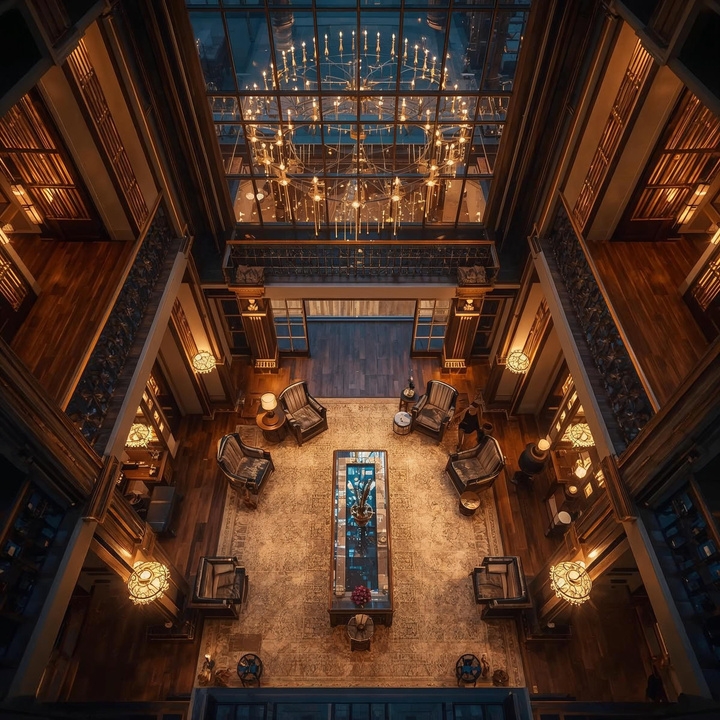
My life’s work has been driven by a singular passion: to expand creativity and visionary concepts on a global stage. To dissect the true meaning of hospitality, returning it to its origins with the purpose of delivering genuinity in the art to serve.
Reinvention, in my practice, begins with a single question: “What is your story?”
Not the story you wish to project. The story already living within your walls, your location, your history. I uncover that truth – then design every element of the guest experience to express it. Identity moves from background to foreground. Brand becomes behaviour, not aesthetics.
The Work: Creating 360-Degree Coherence
When a guest enters such an environment, they are stepping into a temporary world with its own internal logic – one I design through emotional intelligence.
This is what I mean by brand as behaviour: the property’s identity lives in how space unfolds, how service responds, how rituals ground, how every sensory element reinforces the same personality.
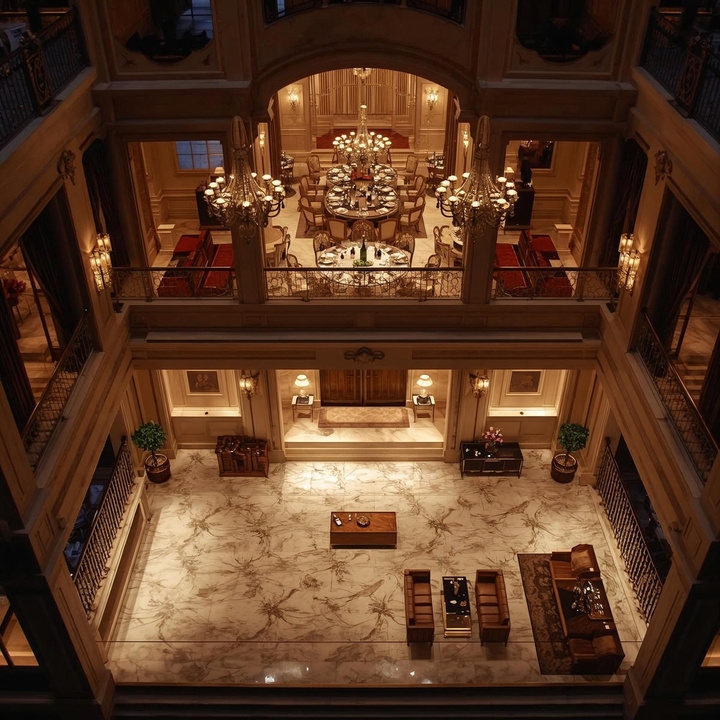
A world where:
- Architecture expresses the property’s story, not borrowed aesthetics
- Service rhythms reflect authentic identity, not generic protocols
- Sensory elements emerge from truth, not trend
- Every touchpoint reinforces who this place genuinely is
This is 360-degree coherence: the storyline of the place – its history, its context, its reason for being – delivers an experience in complete alignment with everything else. Design doesn’t contradict service. Ritual doesn’t perform against identity. Nothing asks the guest to reconcile dissonance.
I don’t impose personality. I uncover what already exists, then design the curated experiences that allow guests to live inside that truth.
The guest doesn’t evaluate these elements separately. They simply feel: “This place knows itself – and I can rest here.”
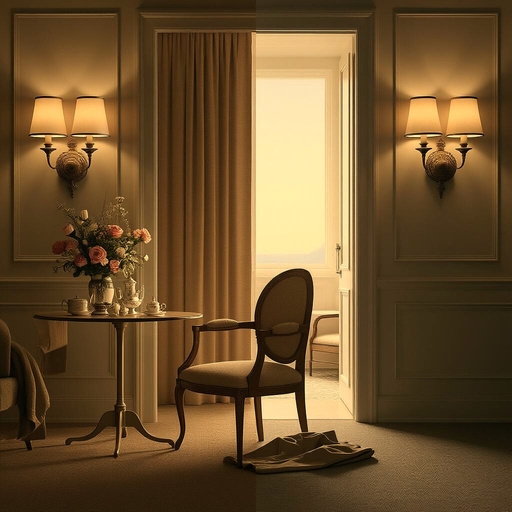
Experience as Consequence, Not Programme
Guest experience, as I understand it, cannot be fully described. It is immersive by nature – something one participates in by moving through space, light, material, rhythm, and human presence in a way that feels organic.
This is human-centred hospitality: designing for what a human body actually needs to feel safe, curious, and present.
Nothing asks to be noticed. Everything invites presence.
This is why I design backwards: from story first, then identity, then the curated experiences that express it, then the emotional landscape that emerges as consequence.
When a property’s story is genuinely embodied – when its personality isn’t performed but lived through every behaviour – guests stop consuming moments and start inhabiting a world. They explore without instruction. They ease without explanation.
Because coherence creates permission. When everything aligns around a single truth, the guest no longer needs to decode the environment. They can simply be.
The Threshold I Design For
At the heart of my approach lies responsibility – and emotional design.
Every project I undertake begins by recognising the moment of arrival as a moment of vulnerability: a human removed from context, seeking orientation. This is where my work begins – with understanding the emotional landscape I am creating.
Before atmosphere or narrative is defined, I ask the crucial questions:
What is the story this place carries?
What does the guest carry into this place?
What shifts within them during their stay?
What do they take with them when they leave?
These questions are never answered directly. They are resolved through coherence – through designing every behaviour to express the same truth.
They guide how I uncover identity, how I translate story into space, how I orchestrate service rhythms, how I ensure sensory elements ground rather than impress. Architecture, materiality, ritual, and care become part of a single dialogue – not as statements, but as conditions that allow something to be felt.
This is brand as behaviour: the property’s identity made tangible through every touchpoint, every interaction, every moment.
Belonging as Recognition
Belonging, in my work, is recognition.
It appears when a guest intuitively understands how to be in a place – when movement slows naturally, when exploration feels safe, when relaxation is earned. It is both grounding and expansive: a sense of being cared for whilst discovering something new.
This recognition doesn’t emerge from any single element. It emerges from alignment across every element: when design, service, scent, sound, language, and care all express the same personality.
Human behavioural psychology reveals why this matters: the brain seeks pattern coherence. When a property’s identity remains stable across all touchpoints, the body recognises safety. Cognitive strain dissolves. Presence deepens.
This is the threshold I design for – where belonging and exploration coexist, where relaxation and curiosity strengthen each other, and where transformation happens without declaration.
What Guests Leave With
In my experience, guests do not leave with a list of moments. They leave with something integrated – something difficult to articulate, something felt.
A subtle shift in how they inhabit space.
A remembered sense of being known without being managed.
A recognition that they encountered not performance, but a place that was entirely itself.
This is not a method I apply. It is a way of thinking—and a way of creating places where identity and experience become indistinguishable.
Everything else follows.
Fauzia Haun
Founder, FH-Signature Group
Experience Meaning. Gift Excellence.
For ownership groups, investment committees, and executive leadership ready to explore innovation-based competitive advantage: fauzia.haun@fh-signature.com
Defining the future of hospitality by remembering its origin.
Pioneering emotional intelligence and cross-cultural mastery in global hospitality and real estate.
My philosophy: where strategy meets soul, transformation begins.
If you’re a hospitality or corporate housing leader navigating these challenges, let’s connect. After 35+ years building transformational experiences across cultures and accommodation types, I’ve learned: the answers aren’t in best practices—they’re in understanding what makes your context unique.